- [email protected]
- (317) 643-1360

Native Leadership: Seneca Women, 1791
- Log in to post comments
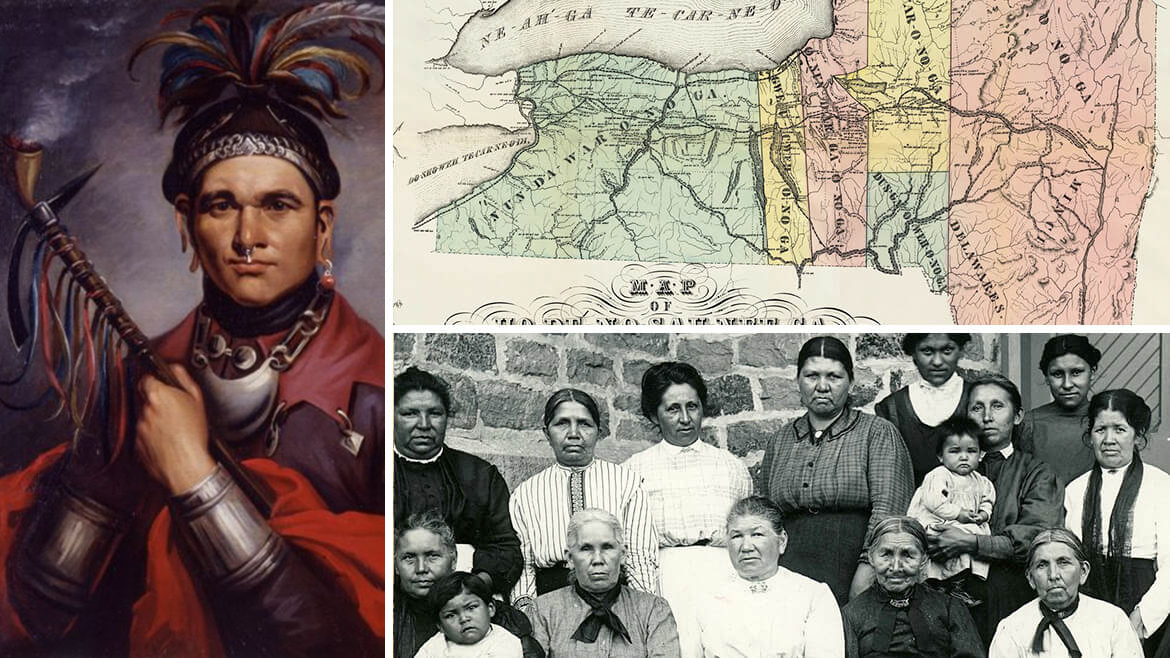
This blog post was written on March 8th, International Women's Day. A day to imagine a gender equal world. A world that's diverse, equitable, and inclusive. A world where difference is valued and celebrated.
In one sense, today reminds me of a previous women's day, May 14th, 1791.
232 years ago, near Lake Erie, the voice and leadership of women changed the outcome of negotiations between the United States and the Six Nations (Mohawk, Oneida, Onondaga, Cayuga, Seneca, and Tuscarora.)
Starting in March of 1791, peace negotiations were taking place between native warriors, chiefs, and delegates of the United States.
Colonel Proctor was sent by George Washington, Red Jacket (Sa-go-ye-we-tha) played a major role as speaker for the Six Nations, and Cornplanter (Gyantwachia) was one of many principal war chiefs.
After two and a half months of negotiations, things were not going well. The talks were falling apart. Colonel Proctor was angered over details involving the British and made up his mind to end all negotiations and return to the nations capital (Philadelphia), which would have left the Six Nations identified as direct enemies of the United States.
Things were quickly heading south, until the elder women of the Seneca stepped up and stepped in.
On May 14th, 1791, a delegation of Seneca women took control of the negotiations by having their own audience with Colonel Proctor. Through their own speeches, they were able to calm tensions, re-establish communication between the men, and to move the discussions forward in a new direction.
An American observer stated: "It appeared the women, had prevailed upon all the chiefs of the Six Nations to alter the determination avowed to Colonel Proctor."
Red Jacket, speaking for the Seneca stated: "It has been the request of Cornplanter, our head warrior, that we are left to answer for our women, who are to conclude what ought to be done by sachems and warriors."
He also stated Cornplanter was not allowed to continue in the direction he and the warriors were headed: "Now the elders of our women, considering the greatness of your business, have said that our sachems and warriors must help you over your difficulties, for the good of them and their children."
In a nutshell, the Seneca women determined who their leaders would be, (Cornplanter and Red Jacket,) determined the attitude and direction of the talks, and changed the minds of the Americans to continue the negotiations.
The story above is only one example of women leadership in action from different cultures, which will be further explored and illustrated in the near future.
Stay tuned for more diverse examples of women leadership!